Summary
- Google announced major Gemini AI upgrades for Google TV at CES 2026 in Las Vegas
- New features include voice-controlled settings, Deep Dives educational tool, and Google Photos integration
- AI-powered visual responses with imagery, videos, and real-time sports updates
- Creative tools Nano Banana and Veo enable on-screen photo and video generation
- Rolling out first to select TCL devices before broader Google TV expansion
- Requires Android TV OS 14+, internet connection, and Google account
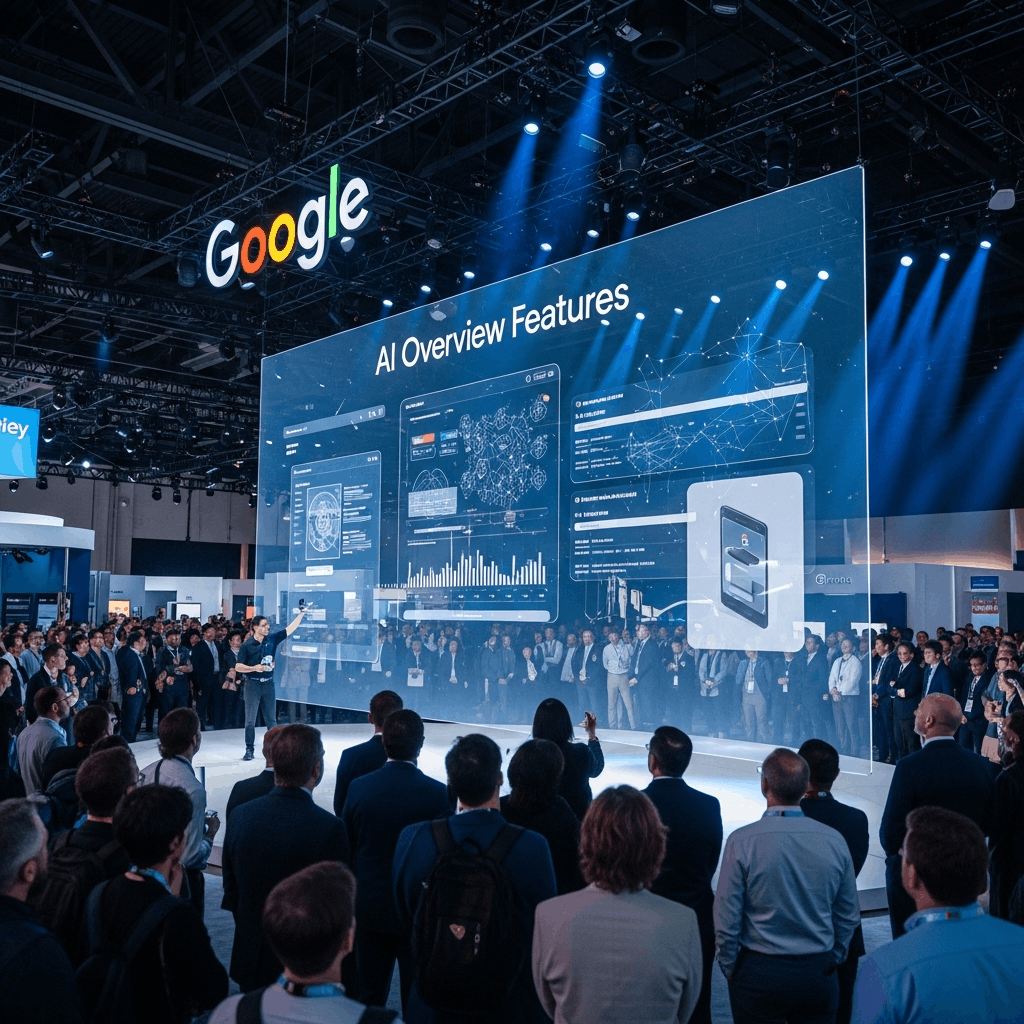
Las Vegas witnessed a significant shift in how we’ll interact with our televisions when Google took the stage at CES 2026. The tech giant unveiled a comprehensive suite of Gemini AI features for Google TV that transforms the living room screen from a passive entertainment device into an interactive digital companion.
“AI is innovating at a rapid pace across nearly all consumer-facing industries. Integrating Google TV with Gemini into projectors further strengthens the smart home experience, enabling more intuitive interactions and smarter recommendations that enhance how people discover and enjoy their favorite entertainment.” — Eduardo Diaz, Product Manager at Epson America
The announcement, made during the January 6-9 tech showcase, represents Google’s most ambitious attempt yet to embed conversational AI into the home entertainment experience. While AI features have been trickling into consumer products for years, this release marks a departure from simple voice commands to truly contextual assistance.
Table of Contents
Toggle
Voice Control That Actually Understands Context
Perhaps the most practical addition addresses a universal frustration: navigating complex TV settings menus. The upgraded Gemini system lets viewers make adjustments using natural language during active viewing. Simply saying “the screen is too dim” or “I can’t hear the dialogue” triggers real-time adjustments without pausing content or diving into settings menus.
Salahuddin Choudhary, Google’s Gemini for Android product lead, demonstrated this capability at CES by asking his TV to “boost the dialogue” while watching a golf tournament. The system immediately adjusted audio settings without interrupting the broadcast. This functionality extends to visual preferences like motion smoothing and brightness levels—adjustments that typically require multiple menu layers to access.
Deep Dives: The Living Room Gets Smarter
Google’s new “Deep Dives” feature transforms information queries into narrated, interactive learning experiences tailored for family viewing. When asked to “explain the Northern Lights to my eighth grader,” the system generates illustrated explanations with appropriate complexity levels, complete with AI narration and supporting visuals.
The feature adapts responses based on the query’s nature, incorporating high-resolution imagery, video clips, and even real-time sports updates. It’s designed to make complex topics accessible across different age groups and comprehension levels—essentially creating on-demand educational content formatted for large-screen viewing.
Photos and Creative Tools Take Center Stage
Google Photos integration receives a substantial upgrade with the new Gemini features. Users can search their photo library using conversational queries like “show me birthday photos of Alex” and browse results directly on the big screen. The system includes Photos Remix functionality, allowing viewers to apply artistic styles—watercolor, pen sketch, art deco—to their images.
More ambitious are the creative generation tools. Nano Banana, Google’s image generator, and Veo, its video generation model, both arrive on Google TV. These tools enable users to reimagine personal photos or generate entirely original visual media using voice commands. Whether creating AI-generated party backgrounds or experimenting with generative video, the TV becomes a primary interface for advanced creative AI models.
The Numbers Behind the AI Surge
The timing of Google’s announcement aligns with explosive growth in AI-powered search features. According to recent industry data, AI Overviews now appear in approximately 50% of all Google searches in the United States, representing a 116% increase following the March 2025 core algorithm update.
Google’s Gemini platform has achieved remarkable adoption velocity. By late 2025, monthly active users reached 650 million across web and app interfaces, with approximately 35 million users interacting with Gemini daily. The platform powers 1.5 billion monthly AI Overview interactions within Google Search alone—meaning millions of users engage with Gemini-powered features without ever opening the dedicated app.
Samsung announced plans to double the number of devices running Galaxy AI features to 800 million in 2026, powered primarily by Google’s Gemini models. This expansion significantly extends Google’s consumer AI reach as competition with OpenAI intensifies.
Expert Perspectives: Practical Innovation or Feature Bloat?
Industry analysts view the announcement through different lenses. The practical utility of voice-controlled settings adjustments has garnered universal approval, particularly for accessibility applications. For older users struggling with complex remote controls or individuals with mobility limitations, the natural language interface represents a genuine breakthrough.
However, opinions diverge on the creative generation features. Amy Skorheim, writing for Engadget after hands-on testing at CES, classified photo manipulation and video generation as “decidedly less useful” than core functionality improvements, though acknowledging their entertainment value. “I’m mostly excited about the admittedly boring part of not having to leave a show to boost the brightness of a scene,” she noted.
Tech industry observers point to deeper implications. Google’s integration of advanced generative models directly into television hardware signals that future entertainment devices will fundamentally blur boundaries between content consumption and creation. The staged rollout beginning with TCL devices provides real-world testing grounds for features that could eventually define smart TV standards across the industry.
Comparing the Competition
Google’s move into AI-powered television features arrives as competitors make similar plays. Samsung unveiled Vision AI Companion evolution at CES 2025, integrating Microsoft Copilot into select TVs and smart monitors. The company’s partnership with Microsoft demonstrates the broader industry trend toward conversational AI in living room experiences.
Apple’s anticipated integration of its own AI capabilities into Apple TV, expected in spring 2026, could leverage Apple Intelligence and an upgraded Siri for similar functionality. The competitive landscape suggests that AI-driven interfaces may become standard across premium smart TV platforms within 18 months.
LG presented its “zero labor home” concept with AI-powered household robots, while multiple manufacturers showcased AI-enhanced displays and processing capabilities. The consensus emerging from CES 2026 floor coverage: AI integration in consumer electronics has moved from experimental features to core product differentiators.
Rollout Timeline and Requirements
Google plans a phased deployment starting with select TCL televisions in early 2026, followed by broader expansion to other Google TV devices and projectors throughout the year. Epson’s Lifestudio projector line represents one of the first non-TV implementations, showcasing the platform’s adaptability across different display technologies.
Technical requirements include Android TV OS 14 or higher, active internet connectivity, and a Google account. Not all languages, countries, or devices receive immediate support at launch, with initial availability prioritized for users 18 and older in the United States and Canada.
The feature set varies by subscription tier. Basic capabilities like voice-controlled settings and visual search responses come standard with Google TV devices. Advanced features including extended Deep Dives content and enhanced creative tools may require Google AI Pro or Ultra subscriptions.
What This Means for the Future
Google’s aggressive push into AI-powered television features reflects broader strategic positioning. The company’s 2026 AI Agent Trends Report, based on insights from over 3,400 global executives, forecasts that this year will mark when AI agents fundamentally reshape business operations and consumer experiences alike.
The television announcements fit within this larger narrative of moving AI from isolated applications to integrated experiences across entire ecosystems. Gemini’s expansion into cars, smartwatches, and smart home devices parallels the TV integration, suggesting Google aims to establish Gemini as the default AI layer across all consumer touchpoints.
For the 3 billion Gmail users and hundreds of millions of Android device owners, these announcements signal what’s coming throughout Google’s product portfolio. The living room TV simply represents the most visible manifestation of this ecosystem-wide transformation.
As CES 2026 demonstrated through countless AI-enhanced products—from refrigerators to robots—the question facing consumers isn’t whether AI will become standard in home devices, but rather which company’s AI assistant will dominate those interactions. Google’s bet is that deeper integration and more practical applications will win that battle over pure novelty.
Sources:
TechCrunch – “Google previews new Gemini features for TV at CES 2026” (January 5, 2026)
https://techcrunch.com/2026/01/05/google-previews-new-gemini-features-for-tv-at-ces-2026/Google Official Blog – “CES 2026: Gemini comes to Google TV” (January 5, 2026)
https://blog.google/products/google-tv/ces-2026/
Related posts:
- Google AI images PageRank 2025, Google search updates, AI image SEO, Google algorithm news
- The AI Search Wars: Models Compete for Publisher Partnerships
- Google AI Overviews vs AI Mode: Complete Expert Analysis & Key Differences
- 89% of Consumers Don’t Trust Their First Search Result as AI Usage Surges