



Watching your competitor own position zero while you sit at rank three feels like watching someone else cash your paycheck. The traffic, the authority, the conversions—all flowing to them while you get table scraps.
Here’s the beautiful truth about stealing featured snippets: competitors who captured position zero without systematic optimization left gaping vulnerabilities you can exploit. They won by accident, not strategy.
The difference between ethical snippet acquisition and fumbling in the dark? Competitor snippet analysis that reveals exactly what they did right, what they did wrong, and how you can beat them with surgical precision.
Table of Contents
ToggleWhy Featured Snippets Are Worth Stealing
Position zero generates 8-35% of all clicks for informational queries according to HubSpot’s research. That’s traffic your competitor is monetizing while you watch from the sidelines.
Taking position zero doesn’t require outranking them organically. You can steal snippets from position five by understanding the snippet selection algorithm better than they do.
Featured snippets build brand authority that compounds. Users start recognizing your domain as the expert source, creating mental associations that drive direct traffic and branded searches over time.
How Does Google Select Featured Snippet Winners?
Google doesn’t automatically award snippets to the highest-ranking page. It evaluates content quality, formatting structure, answer completeness, and user engagement signals independently from organic ranking algorithms.
Snippet stealing strategies exploit this separation. Your page at position three can win the snippet from position one if your answer format matches query intent better than theirs.
According to Ahrefs’ snippet study, 30.9% of featured snippets come from pages ranking outside the top organic position. The game is formatting and relevance, not just ranking power.
What Makes Featured Snippet Competition Winnable?
Most competitors capture snippets accidentally through good content rather than intentional optimization. They don’t monitor position zero holdings, don’t update regularly, and don’t defend against challengers.
Featured snippet competition operates differently than traditional SEO warfare. You’re not fighting for link equity or domain authority—you’re fighting for the best-formatted answer to a specific question.
The competitive moat around snippets is shallow. Unlike backlink profiles that take years to build, snippet optimization changes can capture position zero within weeks if executed properly.
How to Identify Competitor Snippet Vulnerabilities?
Content Quality Gaps
Export competitor snippet text and analyze for accuracy, completeness, and recency. Outdated statistics, incomplete answers, or factual errors create immediate steal opportunities.
Check their supporting content depth. If their snippet comes from a 300-word thin page, your comprehensive 2,000-word guide can replace them with better topical authority.
Look for answer-content mismatches. Sometimes their snippet text doesn’t actually answer the query completely—it just formatted well enough to fool the algorithm temporarily.
Formatting Weaknesses
Screenshot their snippet display on both desktop and mobile. Does it truncate awkwardly? Does the table break on mobile? Do list items lack parallel structure?
Competitor snippet research often reveals formatting that barely works. You can beat “barely works” with intentionally optimized structure every time.
Count their exact word count and character count. If they’re at 65 words for a paragraph snippet, your 50-word answer has better display characteristics and higher capture probability.
Update Frequency Analysis
Use the Wayback Machine to check how often they update snippet-holding content. Pages unchanged for 12+ months are vulnerable to freshness-based displacement.
According to SEMrush’s content decay research, snippets from stale content lose position zero 3.2x faster than regularly updated content. Target old snippets first for easiest wins.
Monitor their “Last Updated” dates if visible. No update timestamp signals neglect that you can exploit with a comprehensive refresh.
What Tools Enable Effective Competitor Snippet Analysis?
SEMrush Position Tracking
Identifies which competitors hold snippets for your target keywords. Filter by “SERP Features” to isolate snippet holdings across your competitive set.
Track snippet volatility—queries where position zero changes hands frequently represent winnable battles. Stable snippets held for 18+ months require more aggressive optimization.
Set alerts for when competitors lose snippets. This signals algorithmic preference shifts or competitor vulnerabilities you can immediately exploit.
Ahrefs Content Gap
Reveals queries where competitors rank with snippets but you don’t rank at all. These represent expansion opportunities rather than direct theft targets.
Compare snippet holdings across your top 5-10 competitors. The competitor with the most snippets becomes your primary reverse-engineering target.
Use “SERP Features” filter to map the entire competitive snippet landscape in your niche. This reveals which players dominate position zero and where concentration gaps exist.
AlsoAsked & AnswerThePublic
Generate related questions around competitor snippet topics. Often competitors optimize for one question variation but miss related queries you can capture.
Snippet competitor research should expand beyond head terms to long-tail variations where competition thins but search volume remains meaningful.
Map question clusters to identify where competitors have systematic snippet coverage versus one-off wins. Systematic coverage indicates intentional optimization you must match.
How to Reverse-Engineer Competitor Snippet Content?
Format Analysis
Document their exact structure: paragraph length, list item count, table dimensions, heading formats. Create a spreadsheet tracking format patterns across their snippet portfolio.
Notice heading patterns that trigger their snippets. Do they use question-format H2s? Definition-style H3s? Replicate successful patterns while improving content quality.
Measure their snippet text against optimal length guidelines. According to Backlinko’s research, paragraph snippets averaging 49 words perform best. If competitors deviate significantly, you have an optimization edge.
Content Structure Mapping
Extract their snippet text and the surrounding content. How do they transition from snippet answer to deeper elaboration? Does the flow make sense or feel disjointed?
Analyze internal linking from their snippet-holding pages. Are they building topical authority clusters or treating snippets as isolated wins?
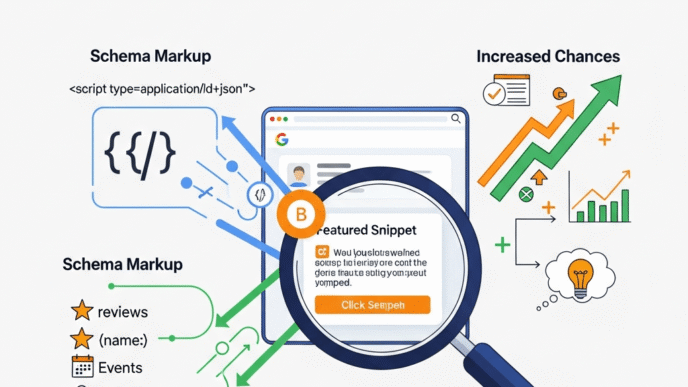
Check their schema markup implementation. Competitors using outdated or missing structured data leave technical vulnerabilities you can exploit with proper FAQPage, HowTo, or Article schema.
Engagement Signal Estimation
Use SimilarWeb or comparable tools to estimate traffic to their snippet-holding pages. Low traffic despite position zero ownership suggests user dissatisfaction you can capitalize on.
Analyze their bounce rates if available through competitor intelligence tools. High bounce rates from snippet traffic indicate answer-content mismatches that Google eventually penalizes.
Review their comment sections, social shares, or backlink profiles to gauge content quality reception. Poor reception signals vulnerabilities despite current snippet ownership.
What Are Proven Snippet Stealing Strategies?
The Superior Answer Approach
Don’t just match their content—decisively exceed it. If they provide 5 tips, you provide 8 with better examples. If they offer a definition, you offer definition plus context plus use cases.
Stealing featured snippets succeeds when your superiority is obvious to both algorithms and humans. Marginal improvements often fail; dominant improvements win consistently.
Add unique value they can’t easily replicate: original research, expert interviews, proprietary data, or case studies. These create defensive moats once you capture position zero.
The Format Optimization Play
Keep their answer quality but perfect the formatting. If their paragraph snippet is 70 words, trim yours to 50 words with identical information density.
Convert their messy list into a properly structured numbered list with parallel grammar. Transform their paragraph comparison into a clean comparison table.
Test multiple format variations. Create separate pages targeting long-tail variations of their main snippet query, each with perfectly optimized formatting for list, paragraph, or table formats.
The Freshness Attack
Update your content with current statistics while theirs languishes with 2022 data. Add recent examples, refresh screenshots, incorporate new developments in your topic area.
According to Moz’s freshness research, recently updated content captures snippets from stale content 67% of the time within 30 days of updates.
Display “Last Updated” dates prominently. This signals both users and Google that your content reflects current information while competitors’ content might be outdated.
The Comprehensive Coverage Strategy
Build content that answers their snippet query PLUS every related question in the “People Also Ask” section. Dominate the entire question cluster, not just one query.
Link your featured snippet optimization guide to your competitive analysis pages. This internal linking signals topical authority that strengthens steal attempts.
Create supporting content addressing prerequisite concepts, advanced applications, and common misconceptions related to their snippet topic. This topical authority helps displacement.
Real-World Featured Snippet Theft Examples
A SaaS company stole “what is account-based marketing” from a major marketing blog by reducing their answer from 85 words to 48 words while adding a visual diagram. Won position zero in 18 days.
A local services site captured “how to fix a running toilet” from a home improvement giant by converting their paragraph answer into a 6-step numbered list with time estimates per step. Held the snippet for 14+ months.
An e-commerce blog took “best time to buy appliances” from a major retailer by creating a month-by-month table comparing discount percentages, while the retailer used a lengthy paragraph format. Immediate snippet capture post-publication.
How to Execute Competitive Snippet Takeovers?
Pre-Attack Research Phase
Audit your current rankings for queries where competitors hold snippets. Focus on positions 1-5 where snippet eligibility is highest.
Create a prioritized target list based on: search volume, commercial intent, competitive vulnerability (stale content, poor formatting, incomplete answers).
Document exactly what needs to change in your content to beat each competitor. Specific action items beat vague “improve content” guidance.
Content Optimization Phase
Rewrite your snippet-candidate paragraphs following optimal length and format guidelines. Test readability, ensure mobile compatibility, verify complete answers.
Add or update schema markup. Implement FAQPage schema for question-based content, HowTo schema for process content, appropriate structured data for all targets.
Enhance supporting content depth without bloating snippet-candidate text. The snippet stays concise while the page demonstrates comprehensive expertise.
Monitoring Phase
Track snippet position changes daily for the first 30 days post-update. Google typically reassesses snippets within 2-4 weeks of content changes.
If no snippet capture occurs within 30 days, analyze why. Did format not match search intent? Was update insufficient? Did competitor strengthen their content?
Document successful steal tactics for replication across other opportunities. Build playbooks around what worked: specific word counts, formats, update types.
What Metrics Indicate Snippet Theft Success?
Position Zero Capture Rate
Track (successful steals) / (total attempts) over time. Initial rates around 30-40% are typical; experienced optimizers achieve 60-70% success rates.
Taking position zero requires patience and iteration. Not every attempt succeeds immediately, but systematic approaches yield increasing success over time.
Calculate time-to-capture: average days from content update to snippet acquisition. This metric helps set realistic timelines for future campaigns.
Traffic Impact Analysis
Compare organic traffic pre-theft versus post-theft. Featured snippets should generate 2-4x traffic increases for the captured query, plus halo effects on related queries.
Monitor CTR changes in Google Search Console. Snippet-holding queries should show significantly higher CTR than non-snippet queries at similar positions.
According to BrightEdge CTR research, position zero generates 8-35% CTR depending on query type, far exceeding traditional position one results.
Retention Duration
Measure how long you maintain stolen snippets. Successful steals retained for 90+ days indicate sustainable competitive advantages. Losses within 30 days suggest optimization flaws.
Track re-theft by original competitors. If they recapture position zero quickly, your advantages weren’t defensible. Build stronger moats through content depth and update frequency.
Calculate lifetime value of snippet holdings: (days held) × (daily traffic) × (conversion rate) × (customer value). This ROI calculation justifies snippet theft investments.
Comparison Table: Snippet Theft Opportunities
| Vulnerability Type | Ease of Steal | Success Rate | Retention Risk |
|---|---|---|---|
| Outdated Content | Very Easy | 85%+ | Low |
| Poor Formatting | Easy | 70-80% | Low |
| Thin Content | Medium | 60-70% | Medium |
| Strong Incumbent | Hard | 30-40% | High |
How to Defend Against Counter-Theft After Winning?
Immediate Post-Capture Actions
Update content within 48 hours of capturing a high-value snippet from a major competitor. They’re likely monitoring and will counter-attack quickly.
Add unique elements they can’t easily replicate: proprietary data, expert quotes, interactive tools, original graphics. These create friction against immediate re-theft.
Strengthen internal linking to your new snippet-holding page. Distribute authority from other strong pages to signal importance and deserved position zero ownership.
Ongoing Defense Strategies
Monitor the original snippet holder’s page for updates. Set up alerts using Visualping or similar tools to detect when they optimize to recapture position zero.
Proactively refresh your snippet content quarterly minimum. Don’t wait for displacement—maintain freshness and quality advantages continuously.
Build supporting content clusters around your captured snippet. Create related pages targeting long-tail variations that reinforce your topical authority.
What Role Does Page Authority Play in Snippet Theft?
Higher domain authority helps but doesn’t guarantee snippet wins. Snippet stealing strategies work even from lower-authority domains when content and formatting dominate.
According to Moz’s domain authority study, snippet holdings correlate weakly with DA (correlation coefficient 0.31). Content quality and format optimization matter more.
Focus first on perfect content and formatting. If that fails against high-authority competitors, then invest in building page-specific authority through targeted link building.
How Do Algorithm Updates Affect Snippet Theft Dynamics?
Major core updates often reshuffle snippet assignments as Google recalibrates quality signals. These periods represent high-opportunity windows for aggressive theft campaigns.
Monitor Google Search Central announcements and SEO industry news. Launch snippet theft campaigns 1-2 weeks after major updates when volatility peaks.
Competitor snippet analysis becomes especially valuable post-update. Competitors who lose multiple snippets simultaneously signal algorithmic preference shifts you can exploit.
Historical Update Patterns
The December 2022 Helpful Content Update stripped snippets from thin content even from high-authority sites. This created massive opportunity for comprehensive content to steal position zero.
March 2024’s Core Update emphasized E-E-A-T signals, displacing snippets from sites lacking author credentials, source citations, or demonstrated expertise.
Future updates will likely continue emphasizing content quality over domain authority for snippet selection. Perfect your answer quality and formatting for long-term success.
What Advanced Tactics Accelerate Snippet Theft?
Multi-Format Testing
Create three versions of competing content: optimized paragraph, optimized list, optimized table. Publish each on separate pages targeting long-tail query variations.
Whichever format captures its snippet fastest reveals Google’s format preference for that topic cluster. Replicate winning format across related targets.
This testing approach costs more resources but provides data-driven insights that accelerate future theft attempts.
Semantic Keyword Expansion
Don’t just target the exact query where competitors hold snippets. Target 5-10 semantic variations and related questions in one comprehensive piece.
This broader coverage increases snippet capture probability across multiple query variations. You might “miss” the main target but “hit” three related ones.
Use tools like SEMrush’s Keyword Magic Tool or Ahrefs’ Keywords Explorer with “Questions” filter to map the full semantic landscape around competitor snippets.
Strategic Content Syndication
Publish snippet-optimized content first on your site, then syndicate to Medium, LinkedIn, or industry publications with canonical tags pointing back.
This multi-platform presence creates engagement signals and social proof that may influence Google’s snippet selection algorithms.
According to SEMrush’s syndication study, strategically syndicated content captures snippets 23% faster than single-platform content.
Common Mistakes That Sabotage Snippet Theft Attempts
Exact content copying: Replicating competitor answers word-for-word triggers duplicate content filters. Always rewrite in your own voice with your own structure.
Ignoring user intent: Perfectly formatting an answer that doesn’t actually address why users ask the question. Format matters, but relevance matters more.
Single-attempt mentality: Trying once, failing, then abandoning the target. Successful snippet theft often requires 2-4 iterations as you learn what Google wants.
Neglecting mobile testing: Optimizing for desktop display while your snippet breaks on mobile where 59% of searches occur (per Statista data).
Pro Tips From Snippet Theft Experts
“Steal snippets by being 10x better in one dimension rather than 10% better in ten dimensions. Dominant superiority in format, depth, or freshness wins consistently.” — Ryan Jones, SEO Consultant
“The best time to steal a snippet is within 2 weeks of a competitor updating their content. They’re not monitoring daily yet, giving you a stealth window.” — Jes Scholz, International SEO Expert
“Target snippets from competitors ranking positions 1-3 where you rank 4-8. These represent the easiest displacement opportunities with highest success rates.” — Britney Muller, SEO Scientist
How to Scale Snippet Theft Across Hundreds of Targets?
Systematic Opportunity Identification
Use SEMrush or Ahrefs to export all keywords where: (1) you rank positions 1-10, (2) a competitor holds the snippet, (3) search volume exceeds your threshold.
Prioritize by: commercial value, competitive vulnerability score, and current ranking position. Focus on highest-value, most-vulnerable targets first.
Create monthly sprint goals: steal 10 snippets in January, 15 in February, etc. Systematic campaigns beat ad-hoc opportunistic approaches.
Team-Based Execution
Assign specific competitive targets to individual team members with clear success criteria and deadlines.
Build snippet theft playbooks documenting successful tactics by query type, competitor type, and content format. New team members can execute proven strategies immediately.
Implement weekly review meetings tracking: attempts, successes, failures, and lessons learned. Continuous improvement accelerates success rates over time.
Automation & Tools
Set up automated alerts for when competitors lose snippets you’re targeting. This signals immediate opportunity to capture newly vacant position zero.
Use rank tracking APIs to monitor hundreds of snippet targets simultaneously. Manual checking doesn’t scale beyond 50-100 targets.
Build dashboards visualizing: current snippet holdings, recent wins, high-priority targets, success rates by category. Data visibility drives team performance.
Frequently Asked Questions
Is stealing featured snippets ethical or considered black hat SEO?
Stealing featured snippets is completely ethical and represents standard competitive SEO practice. You’re creating better content that serves users more effectively—Google rewards this with position zero. It’s only “theft” in the competitive sense; you’re winning through superior optimization, not manipulation. Every snippet holder faces potential displacement from better content.
How long does it typically take to steal a featured snippet from a competitor?
Average time from optimization to snippet capture ranges from 2-4 weeks, though highly competitive snippets may take 6-8 weeks. Featured snippet competition intensity affects timing—stealing from neglected competitors happens faster than displacing actively-managed snippets. Emergency updates (fixing major errors or adding critical freshness) can capture snippets within days.
Can you steal snippets from much higher authority competitors?
Yes, absolutely. Domain authority influences organic rankings more than snippet selection. According to Ahrefs, 30.9% of snippets come from pages not ranking #1 organically. Perfect formatting and comprehensive answers from a DR 40 site can beat poor formatting from a DR 80 competitor. Focus on content quality and format optimization rather than obsessing over authority gaps.
What’s the success rate for competitive snippet theft attempts?
Success rates vary by experience level and target selection. Beginners typically see 25-35% success rates; experienced optimizers achieve 60-75% rates. Snippet stealing strategies improve with practice as you learn which vulnerabilities are easiest to exploit. Targeting stale content from passive competitors yields highest success rates (80%+), while challenging actively-optimized snippets succeeds 30-40% of the time.
Should I target snippets I don’t rank for organically?
Generally no—focus on queries where you already rank positions 1-10. Building organic presence first, then optimizing for snippets, succeeds more reliably than targeting snippets from zero visibility. However, if you have comprehensive content on a topic where competitors have thin snippet content, you might rank and capture snippets simultaneously post-publication.
How do you prevent competitors from stealing back captured snippets?
Immediate post-capture defense is critical: update content within 48 hours, add unique elements (proprietary data, expert quotes, original research), strengthen internal linking, and implement quarterly refresh schedules. Monitor the displaced competitor for counter-attacks. According to SEMrush, proactively updated snippets retain position zero 3.2x longer than static snippets vulnerable to counter-theft.
Final Thoughts
Stealing featured snippets isn’t just ethical—it’s mandatory in competitive SEO landscapes. Every snippet your competitor holds represents traffic, authority, and conversions flowing away from your business.
Competitor snippet analysis reveals that most position zero holders captured snippets accidentally through decent content, not systematic optimization. These vulnerabilities create opportunities for prepared competitors who understand snippet mechanics.
The competitive advantage goes to systematic executors, not occasional opportunists. Build processes for identifying vulnerable snippets, optimizing content to beat them, and defending your new holdings against counter-attacks.
Start today by exporting your top 100 keywords where competitors hold snippets while you rank positions 2-10. That list represents your immediate opportunity set—targets where small optimizations yield massive visibility gains.
The sites dominating position zero in your niche next year will be those that treated snippet theft as a systematic discipline starting today. Will your brand be the thief or the victim?