

Table of Contents
ToggleGoogle Clarifies AI SEO Reality: Traditional SEO Practices Remain Sufficient for All Search Features
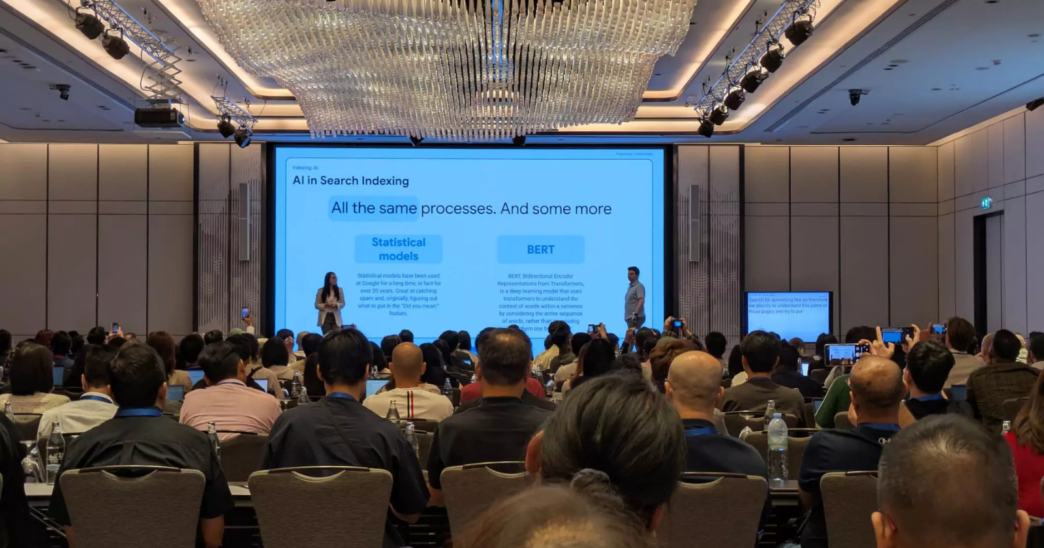
Google Clarifies AI SEO Reality with a definitive statement that has reshaped the entire SEO landscape. In a groundbreaking announcement at Search Central Live Deep Dive Asia Pacific 2025, Google’s Gary Illyes officially confirmed that specialized “AI SEO” optimization tactics are unnecessary, while simultaneously validating the continued importance of AI tools in modern SEO workflows. This crucial distinction provides much-needed clarity for an industry caught between AI tool adoption and optimization technique confusion.
The Bottom Line: What Google Clarifies AI SEO Reality Actually Means
The revelation provides unprecedented clarity: while specialized “AI SEO” optimization tactics (like AEO and GEO) are unnecessary, AI tools remain invaluable for modern SEO work. Google’s position helps businesses invest in the right AI applications while avoiding unnecessary tactical pivots that could waste resources and derail proven strategies.
🎯 Key Findings & Critical Distinctions
The Official Word from Google
On July 23, 2025, Gary Illyes delivered crucial clarity when Google Clarifies AI SEO Reality: “AI SEO is not necessary—standard SEO is all that is needed for both AI Overviews and AI Mode.” However, this statement specifically addresses optimization tactics, not the use of AI tools in SEO work.
Understanding the Two Sides of “AI SEO”
❌ What Google Debunked: Specialized “AI SEO” Tactics
- AEO (Answer Engine Optimization) as distinct from SEO
- GEO (Generative Engine Optimization) as separate methodology
- Special content formatting for AI Overviews
- Unique optimization approaches for AI search features
✅ What Remains Valuable: AI Tools in SEO Work
- AI-powered keyword research and content creation
- Automated technical SEO auditing
- Content optimization and scaling
- Data analysis and competitive insights
- Workflow automation and efficiency improvements
Four Pillars of Google’s Position
1. Same Infrastructure, Same Rules
AI search features use identical systems to traditional search—same crawler (Googlebot), same index, same ranking systems. No need for specialized optimization approaches.
2. AI is Already Everywhere
AI has been embedded in Google Search for over 10 years. Modern search inherently includes AI at every stage, and this integration doesn’t require new optimization tactics.
3. Content Quality Trumps Creation Method
Google Clarifies AI SEO Reality by emphasizing that Google doesn’t differentiate between human and AI-created content. Focus remains on quality, helpfulness, and reliability, with the E-E-A-T framework applying regardless of content origin.
4. Specialized Processes Work with Standard SEO
Query fan-out” and “grounding” processes operate on existing content. These systems work optimally with traditional SEO best practices.
📊 Industry Impact Analysis
The Numbers Don’t Lie
AI Search Reality:
- AI Overviews appear on billions of searches monthly
- 13% of all SERPs feature AI Overviews
- 34.5% lower click-through rates when AI Overviews appear (Ahrefs study)
- Over 50% of tracked keywords show AI Overview presence
AI Tool Adoption:
- 73% of SEO professionals use AI tools for content creation
- 68% leverage AI for keyword research and analysis
- 45% employ AI for technical SEO auditing
- Market for AI SEO tools continues robust growth
The Real Challenge: Tool Integration vs. Tactic Innovation
The industry split isn’t between traditional and AI approaches—it’s between those using AI tools effectively within proven SEO frameworks versus those chasing unproven specialized tactics.
🔍 What This Means for Your Business
Immediate Actions
✅ CONTINUE DOING:
- Using AI tools for content creation and optimization
- Leveraging AI for keyword research and competitive analysis
- Employing AI for technical SEO auditing and monitoring
- Scaling content production with AI assistance
- Automating routine SEO tasks with AI workflows
✅ REFOCUS ON:
- Traditional SEO fundamentals enhanced by AI tools
- High-quality content creation (AI-assisted or human)
- Strong E-E-A-T signals and user experience
- Comprehensive topic coverage and expertise
❌ STOP DOING:
- Paying for specialized “AEO/GEO” consulting that promises unique optimization
- Restructuring content specifically for AI consumption beyond good SEO
- Abandoning proven SEO strategies for unproven AI tactics
- Treating AI search as requiring fundamentally different approaches
Strategic Investment Framework
High-Value AI SEO Investments
Content Creation Tools: AI writing assistants, content optimization platforms Research & Analysis: AI-powered keyword tools, competitive intelligence Technical SEO: Automated auditing, schema generation, performance monitoring Scale & Efficiency: Bulk optimization tools, automated reporting systems
Low-Value “AI SEO” Spending
- Specialized AEO/GEO consulting services
- “AI search-specific” content restructuring
- Tools promising unique AI search optimization
- Training on fundamentally different “AI SEO” methodologies
💡 Expert Insights & Industry Reactions
The Pragmatic Response
Leading SEO professionals are embracing this clarity as Google Clarifies AI SEO Reality. The message isn’t “stop using AI” but rather “use AI tools to do traditional SEO better.” This approach maximizes ROI while staying aligned with Google’s infrastructure reality.
The Tool Evolution Continues
AI tool development for SEO work remains robust and valuable. Companies investing in AI-powered content creation, analysis, and automation are seeing significant efficiency gains without needing to abandon proven SEO principles.
🚀 Future Outlook
What’s Next for AI-Enhanced SEO
Continued Tool Innovation: AI tools will become more sophisticated in helping with traditional SEO tasks—keyword research, content optimization, technical auditing, and performance analysis.
Quality-First AI Content: As AI content creation improves, the focus shifts to ensuring AI-generated content meets the same quality standards as human-created content.
Workflow Integration: The future lies in seamlessly integrating AI tools into established SEO workflows rather than creating entirely new methodologies.
📈 Action Plan: The AI-Enhanced SEO Strategy
Phase 1: Tool Assessment (Week 1-2)
- Audit current AI tool usage and effectiveness
- Identify workflow areas where AI could improve efficiency
- Evaluate AI tool ROI against traditional methods
Phase 2: Strategic Integration (Week 3-8)
- Implement AI tools for high-impact SEO tasks
- Train team on AI-assisted content creation workflows
- Maintain focus on traditional SEO fundamentals
Phase 3: Optimization & Scaling (Ongoing)
- Refine AI tool usage based on performance data
- Scale successful AI-enhanced processes
- Monitor industry developments in AI tool capabilities
🛠️ Recommended AI Tool Categories for SEO
Content & Research
- AI writing assistants (ChatGPT, Claude, Jasper)
- Keyword research tools with AI insights
- Content optimization platforms
- Competitor analysis tools
Technical SEO
- AI-powered site audit tools
- Schema markup generators
- Performance monitoring with AI insights
- Crawl error analysis and recommendations
Analytics & Strategy
- Search intent analysis tools
- Performance data interpretation
- Trend forecasting platforms
- SERP feature tracking
🎯 Revised Key Takeaways
Tactics vs. Tools: Google debunked specialized AI optimization tactics, not AI tools for SEO work
Infrastructure Unity: Standard SEO practices work across all search features, enhanced by AI tools
Quality + Efficiency: Use AI to create better content faster while maintaining SEO fundamentals
Smart Investment: Focus AI spending on proven tools that enhance traditional SEO work
Integration Focus: The future is AI-enhanced SEO workflows, not AI-replacement SEO methods
Final Word
Google Clarifies AI SEO Reality shouldn’t be seen as anti-AI but rather as pro-efficiency. The message is clear: use powerful AI tools to do traditional SEO better, faster, and at scale. The fundamentals remain unchanged, but the tools to execute them have never been more powerful. Smart SEO professionals will leverage this clarity to build AI-enhanced workflows that deliver superior results without chasing optimization myths.
Report compiled from official Google statements, industry analysis, and AI tool adoption data. The distinction between AI tools and AI tactics is crucial for strategic SEO planning in 2025 and beyond.



, this growth pattern is consistent across multiple industries and represents the fastest adoption of any new digital channel in recent history. To put this in perspective: - **January 2025:** 17,076 AI-sourced sessions - **May 2025:** 107,100 AI-sourced sessions - **Growth Rate:** 527% in just five months One standout example saw ChatGPT traffic alone grow from 600 visits per month in early 2024 to over 22,000 visits per month by May 2025—a 3,567% increase for a single platform. **💡 Pro Tip:** Track AI referral traffic in Google Analytics 4 by setting up custom dimensions for referral sources including "chat.openai.com," "perplexity.ai," and "claude.ai" to monitor your own AI discovery performance. ### Industry Distribution The surge isn't uniform across all sectors. High-consultative industries are leading the charge, as documented in [Search Engine Journal's analysis of AI traffic patterns](https://www.searchenginejournal.com/study-chatgpt-ai-tools-gain-ground-in-search-market/536137/): **Top Performing Industries:** 1. **Legal Services** - Complex regulatory questions drive AI consultations 2. **Finance & Banking** - Users seek personalized financial advice and explanations 3. **Healthcare** - Medical inquiries and symptom research dominate queries 4. **Insurance** - Policy comparisons and coverage explanations 5. **SMB Consulting** - Business strategy and operational guidance These five industries collectively account for **55% of all AI-driven sessions**, highlighting users' preference for AI assistance with complex, high-stakes decisions. **💡 Pro Tip:** If you're in a high-trust industry, prioritize creating comprehensive FAQ sections and expert-authored content, as these formats perform exceptionally well in AI discovery scenarios. ## Platform Landscape Analysis ### ChatGPT's Dominance ChatGPT continues to lead the AI traffic generation, but its monopoly is weakening. The platform benefits from: - First-mover advantage in consumer AI - Superior natural language processing - Broad general knowledge capabilities - Strong brand recognition ### Emerging Competitors **Perplexity** has gained significant traction with its search-focused approach, offering: - Real-time web search integration - Source citations and transparency - Specialized research capabilities **Google's Gemini** leverages integration advantages: - Native Google ecosystem integration - Android device pre-installation - Seamless transition from traditional search **Microsoft Copilot** capitalizes on enterprise relationships: - Office 365 integration - Business-focused use cases - Professional workflow optimization **Anthropic's Claude** appeals to quality-conscious users: - Reputation for accuracy and safety - Longer context windows - Nuanced reasoning capabilities ## User Behavior Transformation ### The "Instant Surfacing Era" Traditional SEO operated on a crawl-index-rank cycle that rewarded patience and authority building. AI discovery operates differently, as explained in [Ahrefs' comprehensive study on AI search behavior](https://ahrefs.com/blog/ai-overviews-reduce-clicks/): **Old Model:** Publish → Wait for crawling → Hope for indexing → Optimize for ranking → Generate traffic **New Model:** Create quality content → Get immediately surfaced by AI → Receive targeted referrals This shift means content can be discovered and drive traffic before it even ranks in traditional search engines. **💡 Pro Tip:** Focus on creating content that directly answers specific questions rather than optimizing for broad keywords. AI models excel at understanding intent and context, making traditional keyword density tactics less effective. ### Quality Over Quantity AI platforms prioritize content that is: - **Clear and structured** - Easy for models to parse and understand - **Authoritative** - From recognized experts or institutions - **Comprehensive** - Covers topics thoroughly rather than superficially - **Current** - Up-to-date information that reflects latest developments ## Business Implications ### For SaaS Companies Some SaaS businesses are already seeing over 1% of total traffic from AI platforms. While this might seem modest, it represents: - **High-intent users** who have actively sought AI assistance - **Qualified prospects** who've engaged with AI to solve specific problems - **Bottom-funnel traffic** with higher conversion potential ### For Content Publishers The implications vary significantly by content type: **Winners:** - Educational content creators - How-to and tutorial publishers - Industry analysis and research firms - Expert commentary and opinion sites **Challenges:** - Breaking news publishers (AI prefers verified information) - Listicle and aggregation sites (AI can synthesize directly) - SEO-optimized but thin content creators ### For E-commerce AI discovery is particularly powerful for complex purchase decisions, as highlighted in [Adobe's recent analysis of AI-driven retail traffic](https://searchengineland.com/generative-ai-surging-online-shopping-report-453312): - **Electronics** - Specification comparisons and recommendations - **Healthcare products** - Safety and efficacy information - **Financial services** - Product feature explanations - **Professional services** - Capability and pricing inquiries **💡 Pro Tip:** Create detailed product comparison guides and technical specification sheets, as AI assistants frequently reference these when helping users make purchase decisions. ## Strategic Recommendations ### Immediate Actions (0-3 months) **Content Optimization:** - Restructure existing content with clear headers and bullet points - Add FAQ sections that directly answer common queries - Include expert credentials and authority signals - Ensure information accuracy and currency **Technical Preparation:** - Implement structured data markup - Optimize for featured snippets - Ensure fast loading times and mobile optimization - Create XML sitemaps with updated lastmod tags ### Medium-term Strategy (3-12 months) **Authority Building:** - Develop thought leadership content - Seek expert citations and backlinks - Build relationships with industry authorities - Create comprehensive resource hubs **AI-First Content Creation:** - Design content specifically for AI consumption - Focus on answering complete questions rather than keyword optimization - Create content that provides context and nuance - Develop expertise-driven content series ### Long-term Vision (12+ months) **Platform Diversification:** - Develop relationships with multiple AI platforms - Create platform-specific content strategies - Monitor emerging AI discovery channels - Build direct AI API integrations where possible **Measurement Evolution:** - Develop new KPIs beyond traditional traffic metrics - Track AI mention frequency and context - Monitor brand authority signals - Measure assisted conversions from AI discovery ## Challenges and Considerations ### Attribution Complexity AI-driven traffic often involves multiple touchpoints, as detailed in [Kevin Indig's user experience study of AI Overviews](https://searchengineland.com/google-ai-overviews-user-behavior-study-455511): - Initial discovery through AI - Verification through traditional search - Social proof seeking on platforms like Reddit - Final conversion on the target website This multi-step journey makes traditional attribution models inadequate. **💡 Pro Tip:** Implement UTM parameters for AI referral traffic and set up custom conversion paths in Google Analytics to better understand the full user journey from AI discovery to conversion. ### Content Investment ROI The shift requires significant content strategy changes: - Higher upfront investment in comprehensive content - Longer content development cycles - Greater emphasis on expertise and authority - Reduced reliance on keyword-driven content ### Competitive Dynamics As more businesses optimize for AI discovery: - Competition for AI attention will intensify - Authority and trust signals will become more valuable - First-mover advantages will compound - Smaller players may struggle to gain AI visibility ## Future Outlook ### Growth Projections If current trends continue, AI-referred traffic could represent: - **5-10% of total website traffic** by end of 2025 - **15-20% for high-trust industries** by 2026 - **Major revenue channel** for information-based businesses ### Technology Evolution Expected developments include: - **Improved accuracy** reducing user verification needs - **Better source attribution** providing clearer traffic attribution - **Industry-specific AI models** creating niche opportunities - **Voice and visual AI search** expanding discovery channels ### Market Maturation The AI discovery market will likely evolve through: - **Platform consolidation** as winners emerge - **Specialized AI services** for specific industries - **Direct publisher partnerships** with AI platforms - **New monetization models** beyond traditional advertising ## Conclusion: Preparing for the AI-First Future The 527% surge in AI-driven traffic is not a temporary spike—it's the beginning of a fundamental shift in how people discover and consume information online. Organizations that recognize this trend early and adapt their content and discovery strategies accordingly will capture disproportionate value in the emerging AI-first digital ecosystem. The companies thriving in this new landscape will be those that prioritize authority, clarity, and genuine expertise over traditional SEO tactics. As AI becomes the primary discovery layer for complex information, the winners will be those who can effectively communicate their knowledge through these new channels while maintaining the trust and credibility that AI platforms increasingly value. The question is no longer whether AI will reshape web discovery—it's whether your organization will be ready to succeed in this new reality. --- ## Additional Resources **Essential Reading:** - [Previsible's 2025 AI Traffic Study](https://previsible.io/seo-strategy/ai-seo-study-2024/) - Complete methodology and findings - [Search Engine Land's AI Search Coverage](https://searchengineland.com/generative-ai-surging-online-shopping-report-453312) - Latest industry trends and analysis - [Ahrefs' AI Overviews Research](https://ahrefs.com/blog/ai-overviews-reduce-clicks/) - Technical insights and click-through rate data **Tools for AI Discovery Tracking:** - [Previsible's Free AI Traffic Dashboard](https://previsible.io/) - Monitor LLM referrals in Looker Studio - [SE Ranking's AI Overview Tracker](https://seranking.com/) - Track AI visibility and citations - Google Analytics 4 - Set up custom dimensions for AI referral sources **💡 Final Pro Tip:** Subscribe to AI platform newsletters and developer updates to stay informed about algorithm changes that could affect your content's discoverability in AI search results. *This report is based on analysis from Previsible's 2025 AI Traffic Study, examining 19 GA4 properties across multiple industries and timeframes.*](https://aiseojournal.net/wp-content/uploads/2025/08/AI-Assistants-Drive-527_-Traffic-Spike-332x332.png)
, this growth pattern is consistent across multiple industries and represents the fastest adoption of any new digital channel in recent history. To put this in perspective: - **January 2025:** 17,076 AI-sourced sessions - **May 2025:** 107,100 AI-sourced sessions - **Growth Rate:** 527% in just five months One standout example saw ChatGPT traffic alone grow from 600 visits per month in early 2024 to over 22,000 visits per month by May 2025—a 3,567% increase for a single platform. **💡 Pro Tip:** Track AI referral traffic in Google Analytics 4 by setting up custom dimensions for referral sources including "chat.openai.com," "perplexity.ai," and "claude.ai" to monitor your own AI discovery performance. ### Industry Distribution The surge isn't uniform across all sectors. High-consultative industries are leading the charge, as documented in [Search Engine Journal's analysis of AI traffic patterns](https://www.searchenginejournal.com/study-chatgpt-ai-tools-gain-ground-in-search-market/536137/): **Top Performing Industries:** 1. **Legal Services** - Complex regulatory questions drive AI consultations 2. **Finance & Banking** - Users seek personalized financial advice and explanations 3. **Healthcare** - Medical inquiries and symptom research dominate queries 4. **Insurance** - Policy comparisons and coverage explanations 5. **SMB Consulting** - Business strategy and operational guidance These five industries collectively account for **55% of all AI-driven sessions**, highlighting users' preference for AI assistance with complex, high-stakes decisions. **💡 Pro Tip:** If you're in a high-trust industry, prioritize creating comprehensive FAQ sections and expert-authored content, as these formats perform exceptionally well in AI discovery scenarios. ## Platform Landscape Analysis ### ChatGPT's Dominance ChatGPT continues to lead the AI traffic generation, but its monopoly is weakening. The platform benefits from: - First-mover advantage in consumer AI - Superior natural language processing - Broad general knowledge capabilities - Strong brand recognition ### Emerging Competitors **Perplexity** has gained significant traction with its search-focused approach, offering: - Real-time web search integration - Source citations and transparency - Specialized research capabilities **Google's Gemini** leverages integration advantages: - Native Google ecosystem integration - Android device pre-installation - Seamless transition from traditional search **Microsoft Copilot** capitalizes on enterprise relationships: - Office 365 integration - Business-focused use cases - Professional workflow optimization **Anthropic's Claude** appeals to quality-conscious users: - Reputation for accuracy and safety - Longer context windows - Nuanced reasoning capabilities ## User Behavior Transformation ### The "Instant Surfacing Era" Traditional SEO operated on a crawl-index-rank cycle that rewarded patience and authority building. AI discovery operates differently, as explained in [Ahrefs' comprehensive study on AI search behavior](https://ahrefs.com/blog/ai-overviews-reduce-clicks/): **Old Model:** Publish → Wait for crawling → Hope for indexing → Optimize for ranking → Generate traffic **New Model:** Create quality content → Get immediately surfaced by AI → Receive targeted referrals This shift means content can be discovered and drive traffic before it even ranks in traditional search engines. **💡 Pro Tip:** Focus on creating content that directly answers specific questions rather than optimizing for broad keywords. AI models excel at understanding intent and context, making traditional keyword density tactics less effective. ### Quality Over Quantity AI platforms prioritize content that is: - **Clear and structured** - Easy for models to parse and understand - **Authoritative** - From recognized experts or institutions - **Comprehensive** - Covers topics thoroughly rather than superficially - **Current** - Up-to-date information that reflects latest developments ## Business Implications ### For SaaS Companies Some SaaS businesses are already seeing over 1% of total traffic from AI platforms. While this might seem modest, it represents: - **High-intent users** who have actively sought AI assistance - **Qualified prospects** who've engaged with AI to solve specific problems - **Bottom-funnel traffic** with higher conversion potential ### For Content Publishers The implications vary significantly by content type: **Winners:** - Educational content creators - How-to and tutorial publishers - Industry analysis and research firms - Expert commentary and opinion sites **Challenges:** - Breaking news publishers (AI prefers verified information) - Listicle and aggregation sites (AI can synthesize directly) - SEO-optimized but thin content creators ### For E-commerce AI discovery is particularly powerful for complex purchase decisions, as highlighted in [Adobe's recent analysis of AI-driven retail traffic](https://searchengineland.com/generative-ai-surging-online-shopping-report-453312): - **Electronics** - Specification comparisons and recommendations - **Healthcare products** - Safety and efficacy information - **Financial services** - Product feature explanations - **Professional services** - Capability and pricing inquiries **💡 Pro Tip:** Create detailed product comparison guides and technical specification sheets, as AI assistants frequently reference these when helping users make purchase decisions. ## Strategic Recommendations ### Immediate Actions (0-3 months) **Content Optimization:** - Restructure existing content with clear headers and bullet points - Add FAQ sections that directly answer common queries - Include expert credentials and authority signals - Ensure information accuracy and currency **Technical Preparation:** - Implement structured data markup - Optimize for featured snippets - Ensure fast loading times and mobile optimization - Create XML sitemaps with updated lastmod tags ### Medium-term Strategy (3-12 months) **Authority Building:** - Develop thought leadership content - Seek expert citations and backlinks - Build relationships with industry authorities - Create comprehensive resource hubs **AI-First Content Creation:** - Design content specifically for AI consumption - Focus on answering complete questions rather than keyword optimization - Create content that provides context and nuance - Develop expertise-driven content series ### Long-term Vision (12+ months) **Platform Diversification:** - Develop relationships with multiple AI platforms - Create platform-specific content strategies - Monitor emerging AI discovery channels - Build direct AI API integrations where possible **Measurement Evolution:** - Develop new KPIs beyond traditional traffic metrics - Track AI mention frequency and context - Monitor brand authority signals - Measure assisted conversions from AI discovery ## Challenges and Considerations ### Attribution Complexity AI-driven traffic often involves multiple touchpoints, as detailed in [Kevin Indig's user experience study of AI Overviews](https://searchengineland.com/google-ai-overviews-user-behavior-study-455511): - Initial discovery through AI - Verification through traditional search - Social proof seeking on platforms like Reddit - Final conversion on the target website This multi-step journey makes traditional attribution models inadequate. **💡 Pro Tip:** Implement UTM parameters for AI referral traffic and set up custom conversion paths in Google Analytics to better understand the full user journey from AI discovery to conversion. ### Content Investment ROI The shift requires significant content strategy changes: - Higher upfront investment in comprehensive content - Longer content development cycles - Greater emphasis on expertise and authority - Reduced reliance on keyword-driven content ### Competitive Dynamics As more businesses optimize for AI discovery: - Competition for AI attention will intensify - Authority and trust signals will become more valuable - First-mover advantages will compound - Smaller players may struggle to gain AI visibility ## Future Outlook ### Growth Projections If current trends continue, AI-referred traffic could represent: - **5-10% of total website traffic** by end of 2025 - **15-20% for high-trust industries** by 2026 - **Major revenue channel** for information-based businesses ### Technology Evolution Expected developments include: - **Improved accuracy** reducing user verification needs - **Better source attribution** providing clearer traffic attribution - **Industry-specific AI models** creating niche opportunities - **Voice and visual AI search** expanding discovery channels ### Market Maturation The AI discovery market will likely evolve through: - **Platform consolidation** as winners emerge - **Specialized AI services** for specific industries - **Direct publisher partnerships** with AI platforms - **New monetization models** beyond traditional advertising ## Conclusion: Preparing for the AI-First Future The 527% surge in AI-driven traffic is not a temporary spike—it's the beginning of a fundamental shift in how people discover and consume information online. Organizations that recognize this trend early and adapt their content and discovery strategies accordingly will capture disproportionate value in the emerging AI-first digital ecosystem. The companies thriving in this new landscape will be those that prioritize authority, clarity, and genuine expertise over traditional SEO tactics. As AI becomes the primary discovery layer for complex information, the winners will be those who can effectively communicate their knowledge through these new channels while maintaining the trust and credibility that AI platforms increasingly value. The question is no longer whether AI will reshape web discovery—it's whether your organization will be ready to succeed in this new reality. --- ## Additional Resources **Essential Reading:** - [Previsible's 2025 AI Traffic Study](https://previsible.io/seo-strategy/ai-seo-study-2024/) - Complete methodology and findings - [Search Engine Land's AI Search Coverage](https://searchengineland.com/generative-ai-surging-online-shopping-report-453312) - Latest industry trends and analysis - [Ahrefs' AI Overviews Research](https://ahrefs.com/blog/ai-overviews-reduce-clicks/) - Technical insights and click-through rate data **Tools for AI Discovery Tracking:** - [Previsible's Free AI Traffic Dashboard](https://previsible.io/) - Monitor LLM referrals in Looker Studio - [SE Ranking's AI Overview Tracker](https://seranking.com/) - Track AI visibility and citations - Google Analytics 4 - Set up custom dimensions for AI referral sources **💡 Final Pro Tip:** Subscribe to AI platform newsletters and developer updates to stay informed about algorithm changes that could affect your content's discoverability in AI search results. *This report is based on analysis from Previsible's 2025 AI Traffic Study, examining 19 GA4 properties across multiple industries and timeframes.*](https://aiseojournal.net/wp-content/uploads/2025/08/AI-Assistants-Drive-527_-Traffic-Spike-688x387.png)